
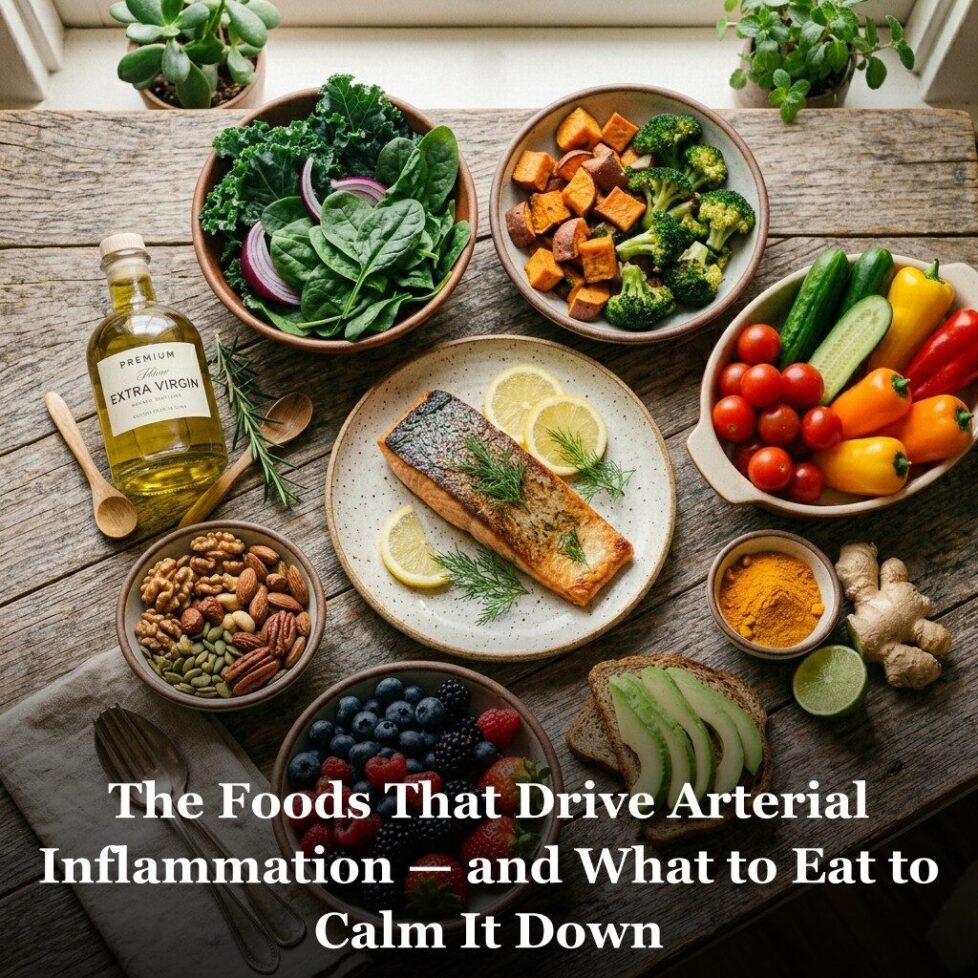
The Foods That Drive Arterial Inflammation and What to Eat to Calm It Down
The Foods That Drive Arterial Inflammation and What to Eat to Calm It Down
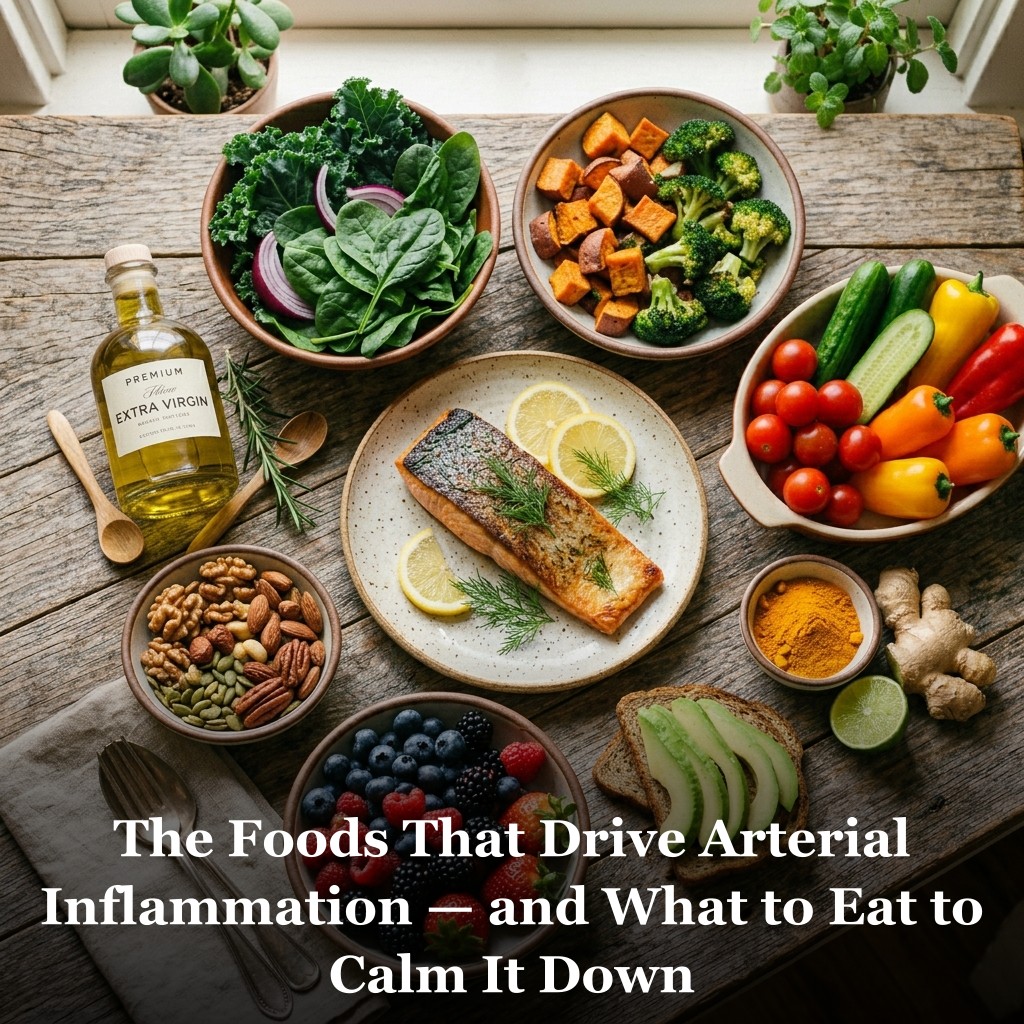
Inflammation isn’t caused by a single food or fixed by a single superfood. But diet patterns matter enormously. Researchers who study cardiovascular inflammation have found reliable associations between certain foods and elevated CRP, interleukin-6, and other markers of systemic inflammation.
Understanding what drives it, and what the research suggests helps manage it, gives you a practical framework. Not a perfect one. But a useful one.
Which Foods Does Research Link to Higher Arterial Inflammation?
Refined seed oils high in omega-6 fatty acids. Soybean oil, corn oil, sunflower oil, and similar vegetable oils are extremely high in linoleic acid, an omega-6 fat. The human body uses omega-6 and omega-3 fatty acids in competing biochemical pathways. A diet heavily skewed toward omega-6 tends to push those pathways toward more pro-inflammatory signaling. These oils are the primary fat source in most ultra-processed foods, fast food, and restaurant cooking.
This doesn’t mean omega-6 fats are inherently harmful. The issue is ratio. Traditional diets had an omega-6 to omega-3 ratio somewhere between 4:1 and 1:1. The modern Western diet sits closer to 15:1 or 20:1. That shift in ratio tracks closely with rising markers of systemic inflammation in population studies.
Ultra-processed foods. The NOVA classification system groups foods by degree of processing. Ultra-processed foods, things like packaged snacks, reconstituted meat products, flavored dairy drinks, and instant noodles, consistently show up in research as associated with elevated inflammatory markers. A large French cohort study (Srour et al., 2019) found a 10% increase in ultra-processed food consumption was associated with meaningfully higher CRP levels. These foods tend to combine refined oils, added sugar, salt, and food additives in combinations that appear to affect gut microbiome health and intestinal permeability.
Excess added sugar. When you consume more sugar than your cells can use immediately, the excess gets processed in the liver. High fructose intake in particular has been studied for its role in triggering inflammatory signaling, promoting visceral fat accumulation, and contributing to insulin resistance — all of which feed back into the inflammatory cascade. Liquid sugar, in particular sodas and fruit juices consumed in large amounts, tends to have a more pronounced effect than whole fruit because the fiber in whole fruit slows absorption.
Trans fats. Artificial trans fats from partially hydrogenated oils have been largely removed from the US food supply following an FDA ban in 2018. But they still appear in imported foods and small amounts in meat and dairy as naturally occurring trans fats. The artificial variety is particularly well-documented for its pro-inflammatory effects and association with adverse cardiovascular outcomes.
Refined carbohydrates. White bread, white rice, pastries, and other foods made from refined grain have had most of their fiber removed. Fiber slows digestion and blunts the blood sugar spike after eating. Without it, these foods cause rapid spikes in blood glucose and insulin. Repeated over years, this pattern is associated with higher inflammatory markers and accelerated progression toward insulin resistance. This connects directly to the risk discussed in the full cardiovascular risk factor framework.
What Does Research Point to for Supporting Healthy Inflammation Levels?
Fatty fish. Salmon, mackerel, sardines, herring, and anchovies are the richest dietary sources of EPA and DHA, the long-chain omega-3 fatty acids that have been most studied for cardiovascular benefits. These fats compete with omega-6 in the same biochemical pathways and shift the balance toward less pro-inflammatory signaling. Multiple large reviews have found associations between higher fish consumption and lower CRP levels.
Extra virgin olive oil. The Mediterranean diet’s signature fat has been studied extensively. Olive oil is rich in oleocanthal, a compound that has been found in research to inhibit the same enzyme (COX) targeted by ibuprofen. It’s also high in oleic acid and polyphenols that appear to support healthy endothelial function. The PREDIMED trial, a large randomized study of Mediterranean diet vs. low-fat diet, found meaningful differences in cardiovascular outcomes in the olive oil group. You can read more about how endothelial health connects to nitric oxide production.
Leafy greens and cruciferous vegetables. Spinach, kale, arugula, broccoli, and similar vegetables are high in magnesium, folate, vitamin K, and a range of polyphenols. Magnesium in particular has been studied for its role in modulating inflammatory pathways. Magnesium deficiency is common in the modern diet and has been associated with elevated CRP and other inflammatory markers. These vegetables are also high in nitrates that the body can convert to nitric oxide, which supports arterial flexibility.
Berries. Blueberries, strawberries, raspberries, and blackberries are among the highest polyphenol-density foods available. Polyphenols, particularly anthocyanins in dark berries, have been studied for their relationship to NF-kB, a key molecular switch in inflammatory signaling. Regular berry consumption has been associated in observational studies with lower inflammatory markers and better HDL cholesterol function.
Turmeric (curcumin). Curcumin, the active compound in turmeric, has been studied in dozens of clinical trials for its effects on inflammatory markers. A 2016 meta-analysis of randomized controlled trials found that curcumin supplementation was associated with meaningfully lower CRP levels in subjects with elevated baseline inflammation. The catch is bioavailability: curcumin is poorly absorbed on its own. Formulations combined with piperine (black pepper extract) or in liposomal form tend to show better absorption in studies.
Walnuts and other nuts. Walnuts are the richest plant source of ALA, the short-chain omega-3. They also contain polyphenols and vitamin E. Regular nut consumption has been consistently associated with lower inflammatory markers in both observational and interventional studies.
The most consistent finding across the research isn’t about any single food. It’s about patterns. Diets built around whole foods, especially vegetables, fish, olive oil, nuts, and fruit, consistently show lower inflammatory burden than diets built around packaged, processed, and fast foods. The mechanisms are multiple: better omega-6 to omega-3 ratio, more fiber for gut health, more polyphenols, more magnesium, and less oxidative load from refined ingredients.
This also connects to arterial stiffness research, where dietary patterns consistently emerge as one of the most modifiable contributors to vascular aging.

Frequently Asked Questions
Is seed oil really that harmful, or is this overblown?
The research on omega-6 to omega-3 ratio is solid. Excess linoleic acid from seed oils does appear to shift inflammatory pathways in ways that are relevant to cardiovascular health. That said, the effect depends heavily on context. If you eat a diet otherwise high in omega-3s, vegetables, and fiber, the impact of some seed oil is likely modest. The concern is that most people consuming high amounts of seed oil are doing so via ultra-processed foods that lack those offsetting factors. Replacing seed oils with olive oil or butter in home cooking is a reasonable, well-supported step.
How quickly can diet changes affect inflammatory markers?
Several intervention studies have shown measurable changes in CRP within 4 to 8 weeks of dietary shifts. Some studies show changes as early as 2 weeks, particularly when refined carbohydrates are sharply reduced. The gut microbiome, one of the key links between diet and inflammation, begins to shift within days of dietary change, though meaningful composition changes take longer. Don’t expect overnight results, but meaningful movement in 4 to 8 weeks is realistic.
Do I need to eat perfectly to see benefit?
No. The research doesn’t support an all-or-nothing view. Studies consistently show that moving toward a better dietary pattern, even partially, produces measurable improvements in inflammatory markers. Replacing one processed meal per day with whole foods, adding a serving of fatty fish twice a week, or switching from refined to whole grain bread are all changes with documented effects. Progress in the right direction matters more than perfection.
What’s the single most impactful dietary change for inflammation?
That depends on your starting point, but reducing ultra-processed food consumption tends to have the broadest impact across multiple inflammatory pathways simultaneously. It addresses omega-6 excess, refined carbohydrate intake, added sugar, and gut health in one move. Replacing processed snacks and fast food with whole foods addresses more mechanistic pathways than any single food addition.
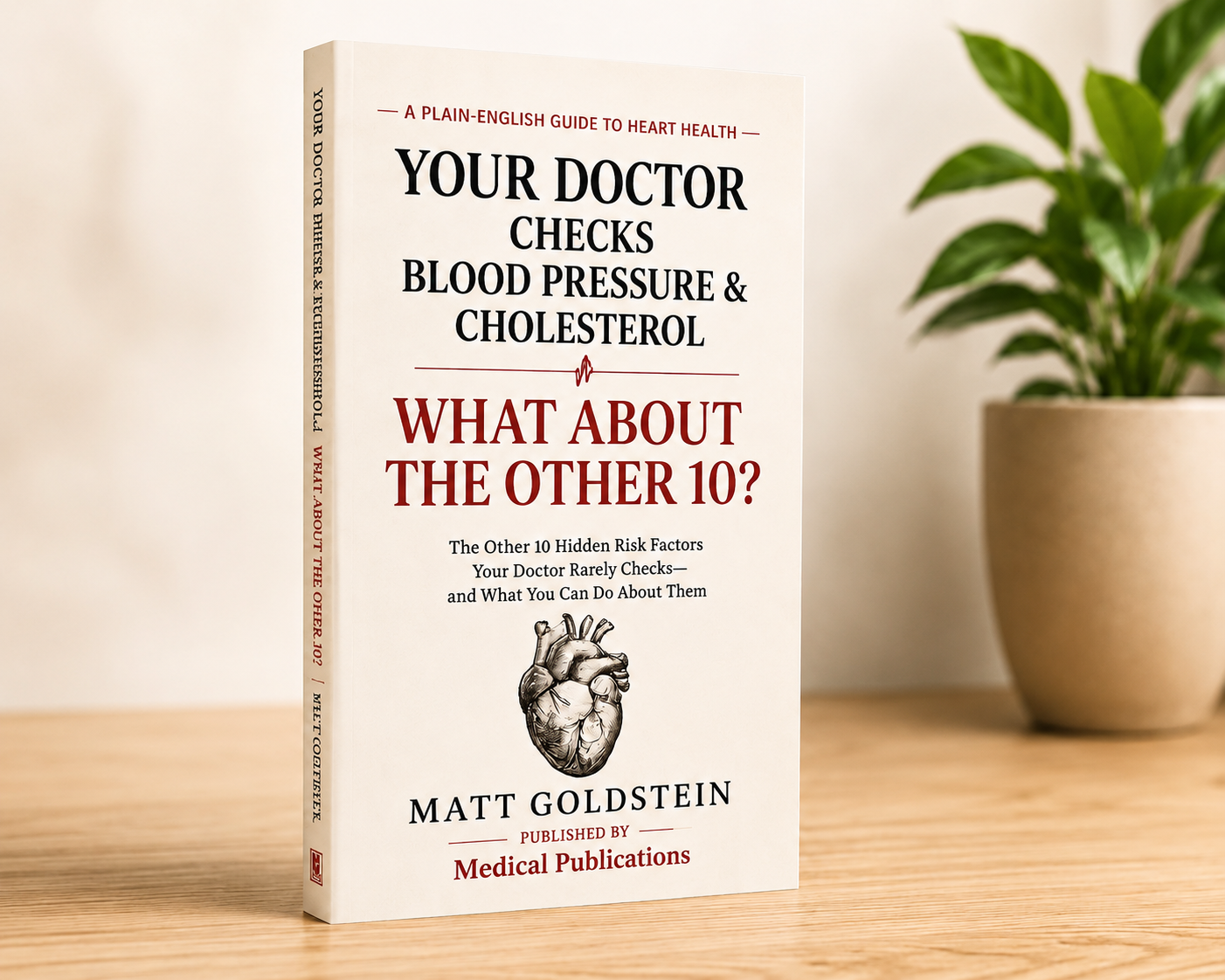
Get Your Free Heart Book
Your Doctor Checks Blood Pressure & Cholesterol: What About the Other 10?
Most heart attacks happen to people whose last checkup came back “fine.” This book covers the 12 risk factors your doctor may not be testing — in plain English, backed by research.
Get the Free Book →* These statements have not been evaluated by the Food and Drug Administration. This product is not intended to diagnose, treat, cure, or prevent any disease.


