
Omega-3 Fatty Acids and Cardiovascular Inflammation: What the Research Actually Shows
Omega-3 Fatty Acids and Cardiovascular Inflammation: What the Research Actually Shows
Fish oil is one of the best-selling supplements in the world. It’s also one of the most misunderstood.
Ask most people why they take it, and they’ll say “heart health.” Ask them what dose they take, whether it’s EPA, DHA, or both, and whether the oil is oxidized, and you’ll usually get a blank stare. These details matter more than the label.
The omega-3 research literature contains some of the most compelling cardiovascular findings of the past decade. It also contains several large trials that found little to no benefit. Understanding why requires looking at what was actually tested, not just what omega-3s are in general.
What Do the Major Omega-3 Trials Actually Show?
The REDUCE-IT trial published in the New England Journal of Medicine in 2018 is the most discussed omega-3 study in recent years. It tested high-dose icosapentaenoic acid (EPA only) at 4 grams per day in people with elevated triglycerides who were already on statin therapy. The results showed a 25% relative reduction in major cardiovascular events compared to placebo over roughly 5 years. For a supplement trial, that is a large effect.
But the placebo in that trial was mineral oil, not an inert substance. Some researchers argue this inflated the benefit by making the control group look worse. The debate continues in cardiology circles, but most cardiologists still view REDUCE-IT as meaningful evidence for high-dose EPA specifically in high-risk patients.
The STRENGTH trial tested a different formulation: high-dose EPA plus DHA (a combination called omega-3 carboxylic acids) at 4 grams per day. It was stopped early because the interim analysis showed no benefit over a corn oil placebo. This raised further debate about whether the REDUCE-IT benefit was truly from EPA, from EPA at that dose, or from something specific to that trial design.
Then there are the standard-dose trials. The VITAL trial tested 1 gram per day of EPA plus DHA in a general population. The primary endpoints showed no significant reduction in cardiovascular events. A subgroup analysis suggested possible benefit in people with low fish consumption at baseline, but the overall result was neutral.
For inflammatory markers specifically, the picture is somewhat more consistent. Multiple meta-analyses have found that omega-3 supplementation is associated with lower CRP and interleukin-6 across a range of doses. A 2017 meta-analysis of 68 randomized trials found statistically significant reductions in CRP and IL-6 with omega-3 supplementation. The effects were dose-dependent: higher doses produced larger reductions. This connects to the broader picture of cardiovascular risk factors where inflammation plays a central role.
Why Does EPA-to-DHA Ratio Matter?
EPA (eicosapentaenoic acid) and DHA (docosahexaenoic acid) are both long-chain omega-3 fatty acids, but they behave differently in the body.
EPA is the primary precursor to anti-inflammatory compounds called resolvins and protectins. It competes directly with arachidonic acid, an omega-6 fat, for the same enzymes. When EPA is present in higher concentrations, it shifts those enzymatic pathways away from pro-inflammatory eicosanoid production. Most of the cardiovascular inflammation research showing benefit has been with EPA-dominant or EPA-only preparations.
DHA is critical for brain and eye function. It’s the dominant omega-3 in neural tissue. DHA does have cardiovascular effects, particularly on triglyceride levels, but it also has a modest LDL-raising effect that EPA does not. For people focused on arterial inflammation and cardiovascular support, EPA-dominant formulations have more consistent evidence behind them. This matters for how omega-3s interact with HDL and overall lipid profiles.
Most standard fish oil capsules contain roughly equal amounts of EPA and DHA, or are DHA-dominant. If the research you’re reading is about EPA-only, applying those findings to a mixed EPA/DHA supplement is an assumption, not a direct inference.
What About Oxidation?
This is the detail most labels don’t mention, and it may be one of the most important quality variables in omega-3 products.
Fish oil oxidizes. Omega-3 fatty acids are polyunsaturated, meaning they have multiple double bonds that are chemically reactive. When exposed to oxygen, heat, or light, they break down and form oxidation byproducts called lipid peroxides and aldehydes. Oxidized omega-3s don’t just lose their benefit — some research suggests they may actually promote, rather than reduce, oxidative stress.
A 2015 study published in Scientific Reports tested 171 fish oil products sold in New Zealand and found that 83% exceeded recommended oxidation thresholds. A similar analysis of products sold in Norway and the US found comparable results. The fish oil supplement market is largely unregulated for oxidation quality.
The fishy smell most people associate with fish oil is actually a sign of oxidation. Fresh, well-processed fish oil should be nearly odorless. If a capsule smells strongly of fish before you open it, that’s a product quality signal worth noting.
Beyond oxidation, the triglyceride form versus ethyl ester form affects absorption. Most pharmaceutical-grade omega-3s are in the re-esterified triglyceride form, which studies suggest is absorbed roughly 70% better than ethyl ester forms. Many standard fish oil capsules use the ethyl ester form because it’s cheaper to produce.
What you eat alongside the supplement also matters. Omega-3s are fat-soluble. Taking them with a meal containing dietary fat significantly improves absorption compared to taking them on an empty stomach. Studies have found 3 to 4 times better bioavailability when taken with a fatty meal. This connects to why dietary sources of omega-3, like fatty fish consumed as part of a full meal, may outperform isolated supplements in practice. You can read more about how this fits into the overall picture of arterial health.
For people who don’t eat fatty fish regularly, a high-quality, EPA-dominant fish oil taken with food is a reasonable approach supported by the research. But the devil is in the details. Dose, EPA content, oxidation quality, and absorption form are all variables that determine whether you’re getting what the research studied or a cheaper approximation of it.
One more point worth noting: omega-3s work best in the context of a diet that also addresses omega-6 intake. Reducing refined seed oils while adding omega-3s shifts the ratio more effectively than adding omega-3s alone to an otherwise high omega-6 diet. The two strategies are complementary. Together they move the fatty acid balance in the direction most consistently associated with supporting healthy vascular function.
Frequently Asked Questions
Should I take fish oil for heart health?
It depends on your situation. The strongest evidence is for high-dose EPA in people with elevated triglycerides and established cardiovascular risk. For general prevention in healthy adults, the evidence at standard doses is less clear. Eating fatty fish two to three times per week provides EPA and DHA in a form with good absorption alongside a full nutritional profile. If you’re supplementing, look for an EPA-dominant product with published oxidation testing, take it with a fatty meal, and discuss appropriate dosing with your doctor.
Is flaxseed oil a good alternative to fish oil?
Flaxseed oil provides ALA, the short-chain omega-3. The body can convert ALA to EPA and DHA, but the conversion rate is poor, often under 5% to 10% for EPA and even less for DHA. For most people, flaxseed oil is not an effective substitute for fish oil when the goal is cardiovascular support. It may be a useful addition for plant-based eaters, but it shouldn’t be relied on as the primary omega-3 source for cardiovascular purposes.
How much fish oil is too much?
The FDA considers omega-3 supplements generally recognized as safe at up to 3 grams per day of EPA and DHA combined. Higher doses used in clinical trials are typically done under medical supervision. At very high doses, omega-3s can affect platelet aggregation and bleeding time, which is relevant for people on blood thinners or scheduled for surgery. At standard supplemental doses of 1 to 2 grams per day, side effects are usually limited to digestive discomfort and the fishy aftertaste that comes with lower-quality products.
Do omega-3s interact with medications?
They can at high doses. Omega-3 fatty acids have mild antiplatelet effects, meaning they affect how blood clots form. This is generally not a concern at doses under 3 grams per day for most healthy adults. At higher doses, or combined with anticoagulant or antiplatelet medications, there is a potential interaction. Anyone on warfarin, aspirin, or other blood-thinning medications should discuss omega-3 supplementation with their prescribing physician before starting.
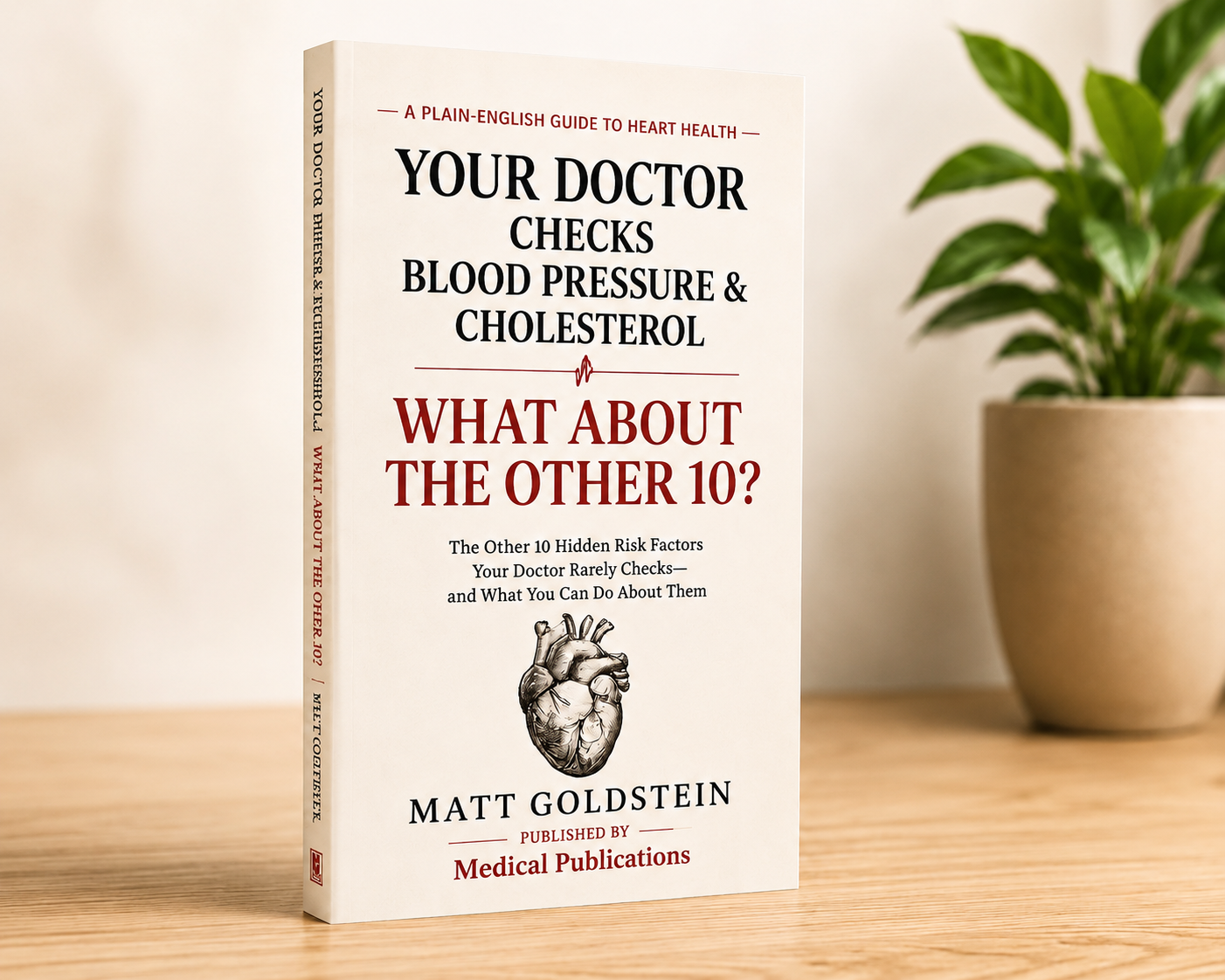
Get Your Free Heart Book
Your Doctor Checks Blood Pressure & Cholesterol: What About the Other 10?
Most heart attacks happen to people whose last checkup came back “fine.” This book covers the 12 risk factors your doctor may not be testing — in plain English, backed by research.
Get the Free Book →* These statements have not been evaluated by the Food and Drug Administration. This product is not intended to diagnose, treat, cure, or prevent any disease.


