
What Is hs-CRP and Why This Inflammation Marker May Predict Heart Risk Better Than Cholesterol
What Is hs-CRP and Why This Inflammation Marker May Predict Heart Risk Better Than Cholesterol
There’s an inflammation marker that some researchers say predicts heart risk better than cholesterol — and it’s probably not on your standard blood panel. It’s called hs-CRP, and it measures systemic inflammation rather than lipid levels. People with low LDL but elevated hs-CRP can still have significantly elevated cardiovascular risk. Yet most routine checkups don’t include it.
Understanding what hs-CRP is, what it measures, and when to ask about it could give you a more complete picture of your cardiovascular health than cholesterol numbers alone.
What hs-CRP Actually Measures
CRP stands for C-reactive protein. It’s a protein the liver produces in response to inflammation anywhere in the body. Standard CRP tests are used to detect acute inflammation — infections, injuries, or flare-ups of autoimmune conditions. The readings can go extremely high (hundreds of mg/L) during acute inflammatory events.
hs-CRP stands for high-sensitivity CRP. It uses a more sensitive laboratory method to detect much lower levels of CRP — in the range of 1-3 mg/L — that are too subtle for standard CRP testing to measure accurately. These low, chronic levels reflect systemic low-grade inflammation rather than acute illness.
This chronic low-grade inflammation is the type associated with cardiovascular disease. It’s not the inflammation of a healing wound or a fever. It’s a persistent background state of immune activation that can damage arterial walls, accelerate plaque development, and make existing plaque more prone to rupture.
The Relationship Between hs-CRP and Cardiovascular Risk
The JUPITER trial — one of the landmark cardiovascular studies of the 2000s — demonstrated the clinical significance of hs-CRP in a compelling way. The trial enrolled nearly 18,000 people who had low LDL cholesterol but elevated hs-CRP. Half received a statin; half received a placebo.
The statin group showed a 44% reduction in major cardiovascular events. Critically, the reduction was much greater than the cholesterol reduction alone could explain. Researchers attributed part of the benefit to the anti-inflammatory effects of statins — separate from their LDL-lowering effects.
This suggested that inflammation, captured by hs-CRP, was contributing independently to cardiovascular risk — and that addressing it mattered. We cover the JUPITER trial in full in the JUPITER trial article.
Beyond JUPITER, hs-CRP has been found to add predictive value on top of traditional cholesterol testing in multiple large prospective studies. The American Heart Association guidelines from 2010 stated that hs-CRP was a useful tool for refining risk assessment in people who are in an intermediate risk category based on standard cholesterol and blood pressure measures.
When to Ask Your Doctor About Testing hs-CRP
hs-CRP testing is most useful in certain clinical situations. If your standard cardiovascular risk score puts you in the intermediate range — not clearly low-risk but not clearly high-risk — hs-CRP can help refine the picture. If you have a strong family history of early cardiovascular disease but normal cholesterol levels, hs-CRP adds another dimension to the assessment.
The test requires simply adding it to a standard blood draw. It’s widely available and relatively inexpensive. The interpretation requires two readings at least two weeks apart, away from any acute illness or injury, because infections and inflammatory flares can transiently elevate CRP dramatically.
For the full context of how hs-CRP fits into the complete cardiovascular risk picture — alongside cholesterol, blood pressure, blood sugar, and other markers — see the 12 cardiovascular risk factors.
Frequently Asked Questions
Is hs-CRP the same as the regular CRP test?
No. They measure the same protein but use different methods with different sensitivity ranges. Standard CRP testing is designed to detect acute inflammation (infections, injuries, autoimmune flares) and operates in the range of hundreds of mg/L. hs-CRP uses a more sensitive method designed to detect chronic low-level inflammation in the 1-3 mg/L range, which standard CRP can’t reliably measure. Make sure you ask specifically for hs-CRP if you want cardiovascular inflammation assessment.
What can I do to lower my hs-CRP?
Lifestyle factors that consistently lower hs-CRP include regular aerobic exercise, weight loss (particularly reducing visceral fat), smoking cessation, improving sleep quality, and reducing refined carbohydrates and added sugar. Anti-inflammatory dietary patterns like Mediterranean eating are associated with lower chronic inflammation. Treating underlying conditions like sleep apnea, periodontal disease, and insulin resistance also helps.
My hs-CRP is elevated but my cholesterol is normal. Should I be concerned?
An elevated hs-CRP with normal cholesterol is exactly the scenario where hs-CRP adds clinical value. Some people in this situation have meaningful cardiovascular risk that cholesterol testing alone wouldn’t identify. This is worth discussing with your doctor — it may inform decisions about lifestyle priorities, whether further testing is appropriate, or whether medications might be considered depending on your overall risk profile.
Can infections temporarily raise hs-CRP?
Yes, significantly. Even minor illnesses like colds can temporarily raise CRP levels. This is why hs-CRP for cardiovascular risk assessment should be measured when you’re healthy — not during or recently after an infection, injury, or inflammatory flare. If your first hs-CRP comes back elevated, your doctor will typically confirm it with a second test several weeks later before drawing any conclusions.
Get Your Free Heart Book
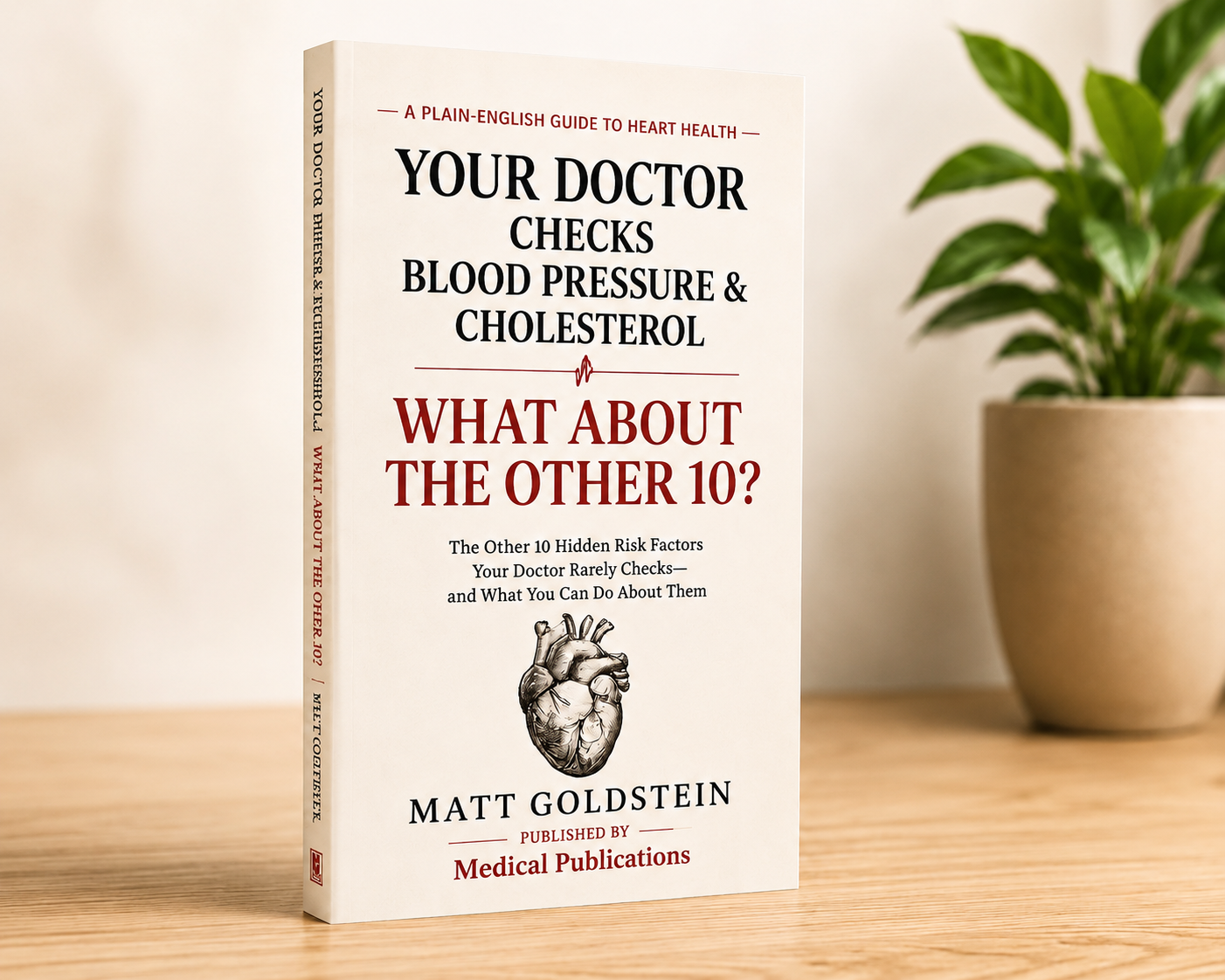
Your Doctor Checks Blood Pressure & Cholesterol: What About the Other 10?
Most heart attacks happen to people whose last checkup came back “fine.” This book covers the 12 risk factors your doctor may not be testing — in plain English, backed by research.
Get the Free Book →* These statements have not been evaluated by the Food and Drug Administration. This product is not intended to diagnose, treat, cure, or prevent any disease.


