
What Is Arterial Stiffness and Why It May Matter More Than Your Blood Pressure
What Is Arterial Stiffness and Why It May Matter More Than Your Blood Pressure
Your blood pressure reading comes back normal: 118/76. Your doctor says everything looks good. But your arteries could still be aging faster than they should. Arterial stiffness is a separate dimension of cardiovascular health that a standard blood pressure cuff doesn’t measure — and it’s getting more attention from cardiologists who look beyond the basics.
Stiff arteries are less elastic. They don’t absorb the pressure of each heartbeat as efficiently as flexible ones. That forces the heart to work harder and reduces the cushioning between beats. Some researchers consider arterial stiffness a stronger predictor of cardiovascular events than blood pressure alone, especially in adults over 50.
What Arterial Stiffness Actually Is
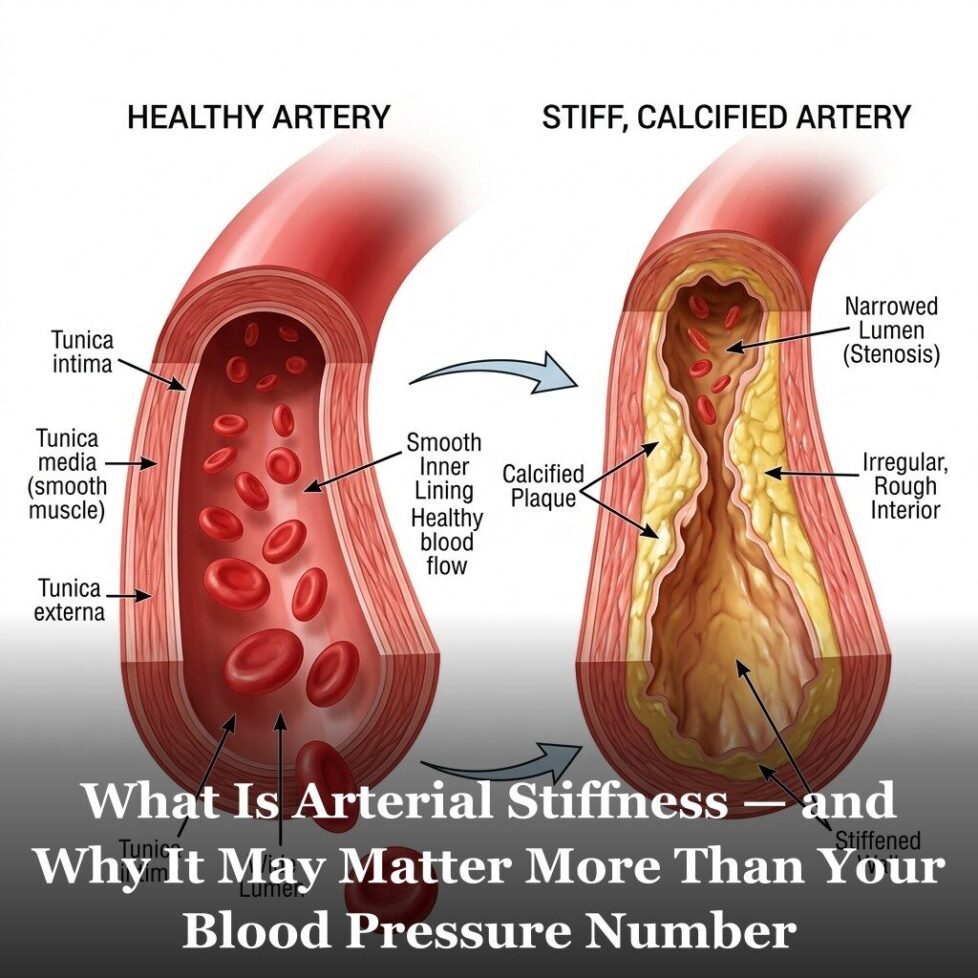
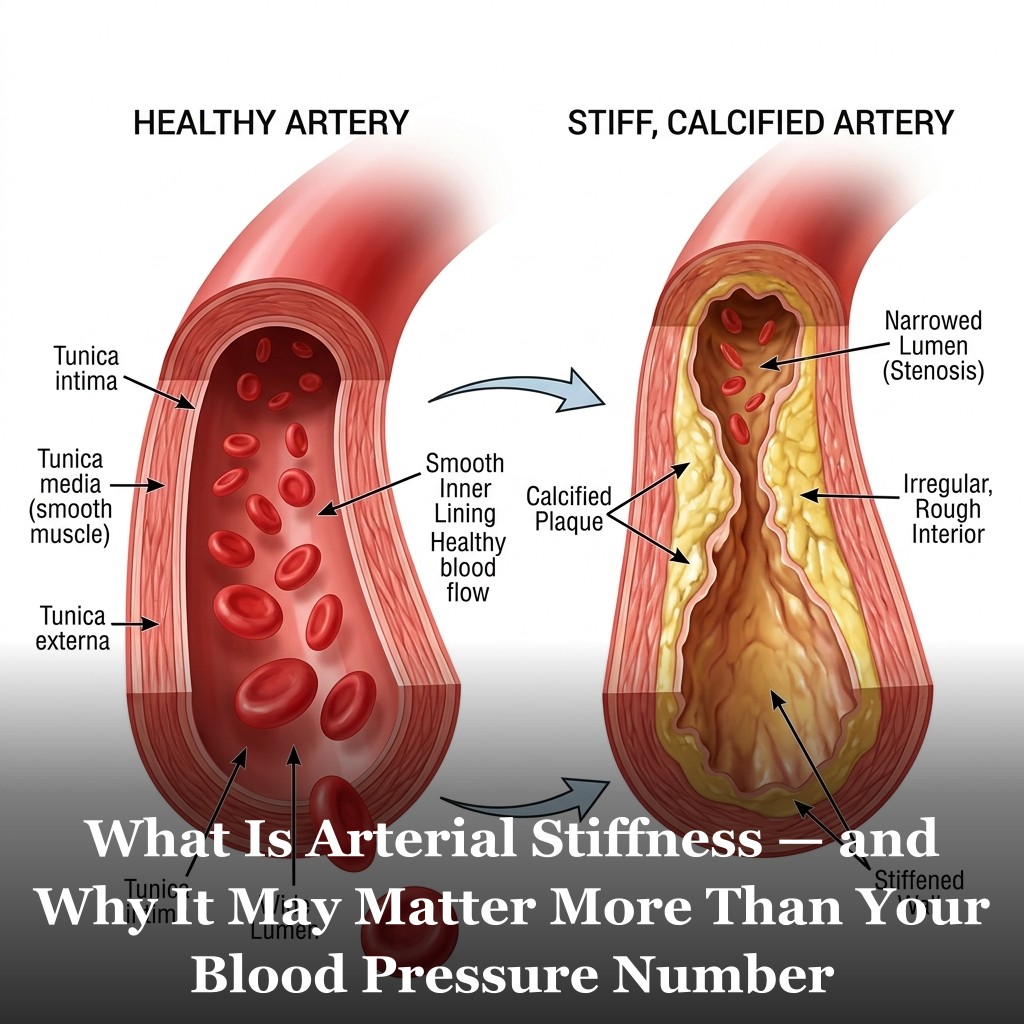
Healthy arteries have a natural elasticity. When the heart contracts and sends a pulse of blood through the aorta and other major vessels, the arterial walls expand slightly to absorb the pressure. When the heart relaxes between beats, those walls recoil, helping push blood forward. This elastic buffer smooths out the pressure wave and reduces the workload on the heart.
As arteries stiffen with age or damage, this elastic buffer disappears. The pressure wave from each heartbeat hits the arterial walls with more force and travels through the vascular system faster. The heart has to generate more pressure to push blood through stiffer pipes. And the pulse pressure — the gap between systolic and diastolic blood pressure — tends to widen.
Arterial stiffness is typically measured clinically using a technique called pulse wave velocity (PWV), which tracks how fast a pressure wave travels between two points in the arterial tree. Faster wave speed = stiffer arteries. Some specialized cardiac imaging centers also measure aortic stiffness directly.
How Arterial Stiffness Differs From Blood Pressure
The distinction matters clinically. Blood pressure responds quickly to lifestyle changes — sodium reduction, exercise, stress management, and certain medications can all bring blood pressure numbers down relatively fast. Arterial stiffness changes more slowly because it reflects actual structural changes in the arterial wall.
Over years and decades, the elastic fibers in large arteries (particularly elastin) break down and are replaced with collagen. Calcification can occur in arterial walls. These structural changes accumulate gradually and may be present years before blood pressure rises noticeably.
This is why pulse pressure — the arithmetic difference between systolic and diastolic readings — is sometimes used as a rough clinical proxy for arterial stiffness. A widening pulse pressure, particularly above 60 points, can suggest that major arteries are losing their elasticity even when systolic and diastolic numbers each look acceptable on their own.
For a deeper look at pulse pressure specifically and what it reveals about vascular health, see the pulse pressure article.
What Influences Arterial Stiffness and Supports Healthy Arterial Flexibility
Several factors accelerate arterial stiffening. Age is the primary one — it’s a natural aging process that no intervention can fully reverse. But the rate at which arteries stiffen varies considerably based on lifestyle and health factors.
Chronic high blood pressure accelerates arterial damage and stiffening. Elevated blood sugar and insulin resistance promote arterial wall changes. Smoking damages the endothelial lining and accelerates structural changes. Chronic inflammation — the same low-grade inflammation linked to other cardiovascular risk factors — appears to accelerate arterial aging.
On the positive side, regular aerobic exercise has the strongest evidence for supporting arterial flexibility over time. Long-term exercisers tend to have lower pulse wave velocity than sedentary people of the same age. Exercise works through multiple mechanisms including blood pressure reduction, improved endothelial function, and reduced inflammation.
Nitric oxide plays an important role in arterial flexibility. When endothelial cells produce sufficient nitric oxide, it signals smooth muscle cells in the arterial walls to relax, allowing more normal expansion and recoil. Nitric oxide production declines with age, which is one reason arterial stiffness tends to increase with age. For more on this connection, see our article on nitric oxide and heart health.
A Mediterranean-style diet has been associated with lower arterial stiffness measures in population research. Reducing sodium reduces blood pressure, which over time reduces the mechanical stress that accelerates stiffening. Omega-3 fatty acids have shown modest benefits on arterial stiffness in some studies.
Frequently Asked Questions
Can my doctor test me for arterial stiffness?
Standard primary care offices typically don’t measure arterial stiffness directly. Pulse wave velocity measurement requires specialized equipment available at academic medical centers and some cardiology practices. In clinical practice, pulse pressure — calculated from a standard blood pressure reading — is often used as a rough proxy. If you’re concerned about vascular aging, ask a cardiologist about whether PWV measurement would be appropriate for you.
Is arterial stiffness reversible?
Some aspects of arterial stiffness can be improved with targeted interventions, particularly in younger people or those with modifiable risk factors. Regular aerobic exercise has the strongest evidence for supporting arterial flexibility. Effective blood pressure control slows the progression of stiffening. However, advanced structural changes — particularly calcification — are difficult to reverse. Early prevention is more effective than late intervention.
How does arterial stiffness relate to systolic blood pressure?
Stiff arteries contribute to elevated systolic blood pressure because the heart must generate more force to move blood through less elastic vessels. Isolated systolic hypertension — where systolic is elevated but diastolic is normal — is particularly common in older adults and is partly a reflection of age-related arterial stiffening. This is why systolic blood pressure tends to rise with age even when diastolic remains stable or falls.
Does Tikva Heart support arterial health?
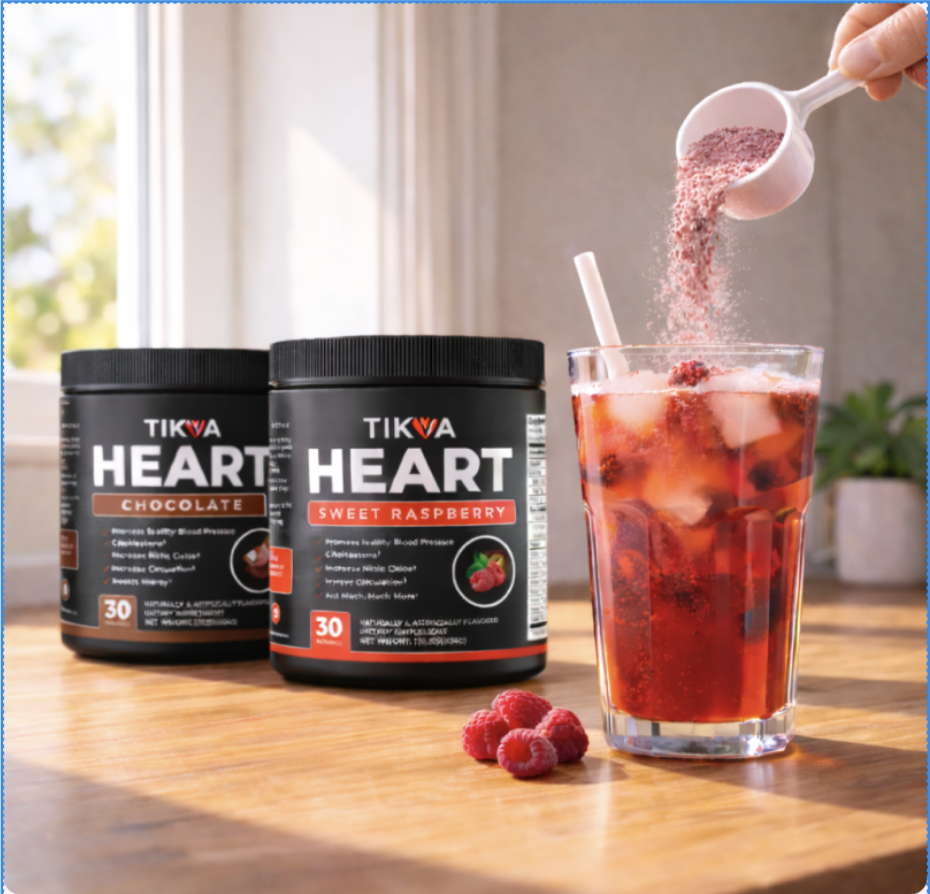
Tikva Heart contains Nitrosigine and L-Citrulline, which support nitric oxide production through two separate pathways. Nitric oxide signals arterial smooth muscle to relax, which supports healthy arterial flexibility and blood flow. These statements have not been evaluated by the FDA. This product is not intended to diagnose, treat, cure, or prevent any disease.
Get Your Free Heart Book
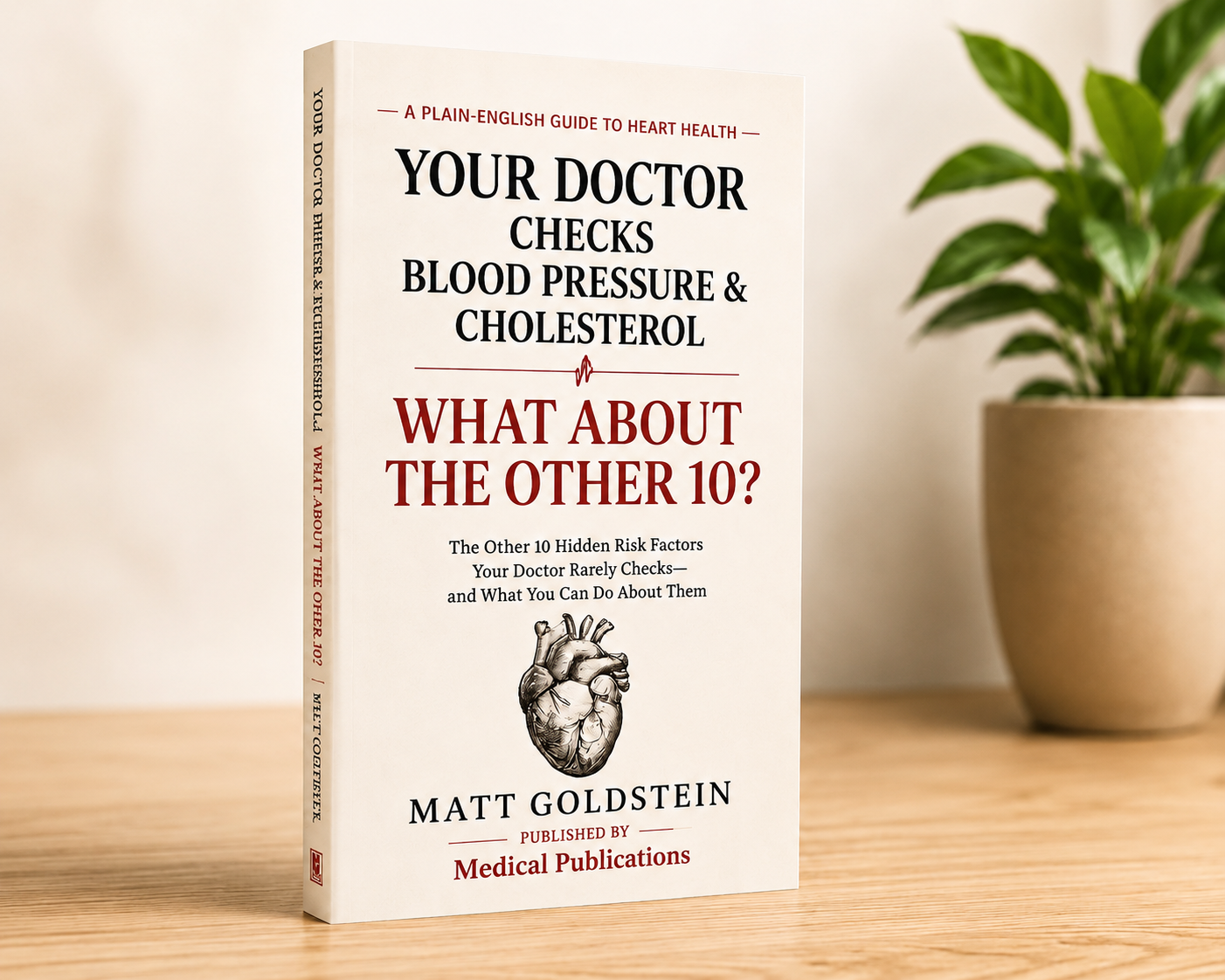
Your Doctor Checks Blood Pressure & Cholesterol: What About the Other 10?
Most heart attacks happen to people whose last checkup came back “fine.” This book covers the 12 risk factors your doctor may not be testing — in plain English, backed by research.
Get the Free Book →* These statements have not been evaluated by the Food and Drug Administration. This product is not intended to diagnose, treat, cure, or prevent any disease.


