
The Molecule Your Arteries Produce — and Why Levels Drop Significantly After 40
The Molecule Your Arteries Produce — and Why Levels Drop Significantly After 40
Nitric oxide is a gas produced by the cells lining your blood vessels, and it plays a central role in keeping those vessels relaxed, flexible, and healthy. Research shows production can decline by 50% or more between your 20s and your 70s. That decline has real consequences for cardiovascular health — and most people have never heard of it.

The Nobel Prize in Medicine was awarded in 1998 for the discovery of nitric oxide as a signaling molecule in the cardiovascular system. Most people have still never heard of it.
In 1998, three American scientists — Robert Furchgott, Louis Ignarro, and Ferid Murad — shared the Nobel Prize in Physiology or Medicine for discovering that nitric oxide (NO) is a critical signaling molecule made by the cardiovascular system. Their work showed that this simple gas, produced in tiny amounts by cells lining your blood vessels, acts as a master regulator of vascular health.
What nitric oxide does, in plain terms: it tells the smooth muscle in artery walls to relax. When arteries relax, blood flows more easily, blood pressure stays lower, and circulation is better throughout the body. When nitric oxide production falls, arteries become stiffer and less responsive — a condition called endothelial dysfunction.
Research published in the New England Journal of Medicine identified impaired flow-mediated dilation — a measure of nitric oxide-driven artery relaxation — as a significant predictor of future cardiovascular events, independent of traditional risk factors. [1]

Where Does Nitric Oxide Come From — and What Does It Actually Do?
Your body makes nitric oxide in two main ways. The primary pathway happens inside endothelial cells — the thin layer of cells lining every blood vessel in your body. An enzyme called endothelial nitric oxide synthase (eNOS) converts the amino acid L-arginine into nitric oxide. This happens continuously, especially in response to physical activity and shear stress from blood flowing through the vessels.
The second pathway uses dietary nitrates. When you eat foods rich in nitrates — beets, spinach, arugula, celery — bacteria in your mouth and gut convert those nitrates to nitrites, and your body then converts nitrites to nitric oxide. This is a slower route, but it meaningfully supplements the endothelial pathway.
Once nitric oxide is made, it diffuses into the smooth muscle cells surrounding blood vessels and triggers them to relax. This widening of the vessel is called vasodilation. It’s the same mechanism that makes nitroglycerin work as an emergency treatment for chest pain — nitroglycerin releases a burst of nitric oxide, rapidly dilating coronary arteries.
Beyond vasodilation, nitric oxide has two other important effects. It reduces platelet aggregation — the tendency of blood cells to clump together and form clots. And it has anti-inflammatory effects on the vessel wall itself. Together, these three functions (vasodilation, anti-platelet, anti-inflammatory) make nitric oxide one of the most important protective molecules in the cardiovascular system.
Why Does Nitric Oxide Production Drop With Age?
This is one of the most important — and least discussed — aspects of cardiovascular aging. Multiple factors drive the age-related decline in nitric oxide.
First, endothelial cells themselves become less efficient over time. The eNOS enzyme produces less nitric oxide, and the cells become more susceptible to damage from oxidative stress. Free radicals react with nitric oxide and break it down before it can do its job — a process that accelerates as antioxidant capacity declines with age.
Second, a molecule called asymmetric dimethylarginine (ADMA) accumulates with age. ADMA blocks eNOS activity, directly suppressing nitric oxide production. Elevated ADMA levels have been associated with cardiovascular risk in multiple studies.
Third, the balance of bacteria in the mouth shifts with age, reducing the efficiency of the dietary nitrate-to-nitric oxide conversion. This matters more than most people realize, since roughly 25% of blood nitrite comes from the oral pathway.
Finally, the factors that damage the endothelium — high blood sugar, smoking, high LDL, chronic inflammation — accumulate over a lifetime. Each insult to endothelial cells reduces their capacity to make nitric oxide.
The result is that by the time many people are in their 50s and 60s, their nitric oxide production may be less than half what it was in their 20s. This coincides with the period when cardiovascular risk accelerates most rapidly.
A meta-analysis of 351 studies found that FMD decreases by approximately 0.21% per year of age in healthy individuals, with accelerated decline in the presence of cardiovascular risk factors. [2]
What Happens When Endothelial Function Declines?
Endothelial dysfunction is often called a “silent” condition because it doesn’t cause symptoms in its early stages. But it sets up a cascade of changes that eventually become visible on imaging and in clinical events.
When blood vessels can’t relax properly, blood pressure tends to rise. The heart has to work harder to push blood through less flexible vessels. Over time, this contributes to arterial stiffness — a measurable and important cardiovascular risk factor in its own right.
At the same time, without adequate nitric oxide’s anti-inflammatory effect, the vessel wall becomes more permeable to LDL cholesterol. This is one of the early steps in atherosclerosis — the buildup of plaque inside artery walls. Reduced nitric oxide also makes platelets stickier, increasing clotting risk.
This is why cardiologists increasingly view endothelial function as a key window into overall cardiovascular health. It’s one of the earliest indicators of risk — measurable years or even decades before a significant cardiovascular event.
As covered in our overview of the 12 cardiovascular risk factors, endothelial dysfunction sits at the intersection of many other risk factors. It’s both caused by and contributes to high blood pressure, insulin resistance, inflammation, and arterial plaque.

What Damages Nitric Oxide Production?
Several common factors actively impair your body’s ability to make nitric oxide. Knowing them is the first step to protecting endothelial function.
Smoking is among the most damaging. Cigarette smoke generates massive amounts of free radicals that react with nitric oxide and destroy it. Studies show that smokers have significantly impaired endothelial function compared to non-smokers, and that this begins to reverse after quitting.
High blood sugar is another major driver. Elevated glucose damages endothelial cells directly and increases oxidative stress, both of which suppress nitric oxide production. This is part of why diabetes is such a strong cardiovascular risk factor.
Oxidative stress from any source — processed foods, chronic inflammation, environmental toxins — depletes nitric oxide. Free radicals react with NO and convert it to peroxynitrite, a harmful compound that damages blood vessels rather than protecting them.
A sedentary lifestyle also impairs nitric oxide. Physical movement creates shear stress on artery walls — the mechanical force of blood flowing through vessels — which is one of the key triggers for endothelial cells to produce nitric oxide. Without regular movement, that signal is absent.
Research has shown that a single cigarette acutely impairs flow-mediated dilation, a marker of nitric oxide-driven vasodilation. The effect is measurable immediately and worsens with chronic exposure. [3]
What Can You Do to Support Healthy Nitric Oxide Production?
The research on supporting nitric oxide production points clearly toward several approaches that may help maintain endothelial function over time.
Exercise is the most powerful tool — and it works quickly. Even a single session of moderate aerobic activity stimulates endothelial cells to produce nitric oxide. Over time, regular aerobic training has been shown to improve endothelial function measurably in research populations. The shear stress of blood flow during exercise is the direct trigger: the more consistently you exercise, the more your arteries are trained to respond.
Dietary nitrates from vegetables have a solid body of research behind them. Beets, spinach, arugula, celery, and Swiss chard are among the richest sources. Research has found associations between dietary nitrate intake and improved endothelial function and blood pressure within the normal range. This doesn’t mean eating beets is a treatment for anything — it means the nutrients in these foods may support the body’s own nitric oxide production systems.
L-citrulline, an amino acid found in watermelon and available as a supplement, may support nitric oxide production through a different pathway. Unlike L-arginine (which is broken down significantly in the digestive tract), L-citrulline is converted to L-arginine in the kidneys, providing a more stable supply of the raw material eNOS needs.
Antioxidants play a protective role. Vitamin C, polyphenols from berries and dark chocolate, and other antioxidant compounds help protect nitric oxide from oxidative destruction. Research has found that vitamin C supplementation improved endothelial function in several study populations, particularly in those with oxidative stress.
Reducing refined carbohydrates and added sugar protects endothelial cells from the damage that elevated blood sugar causes. This is one of the strongest dietary interventions for preserving endothelial function with age.
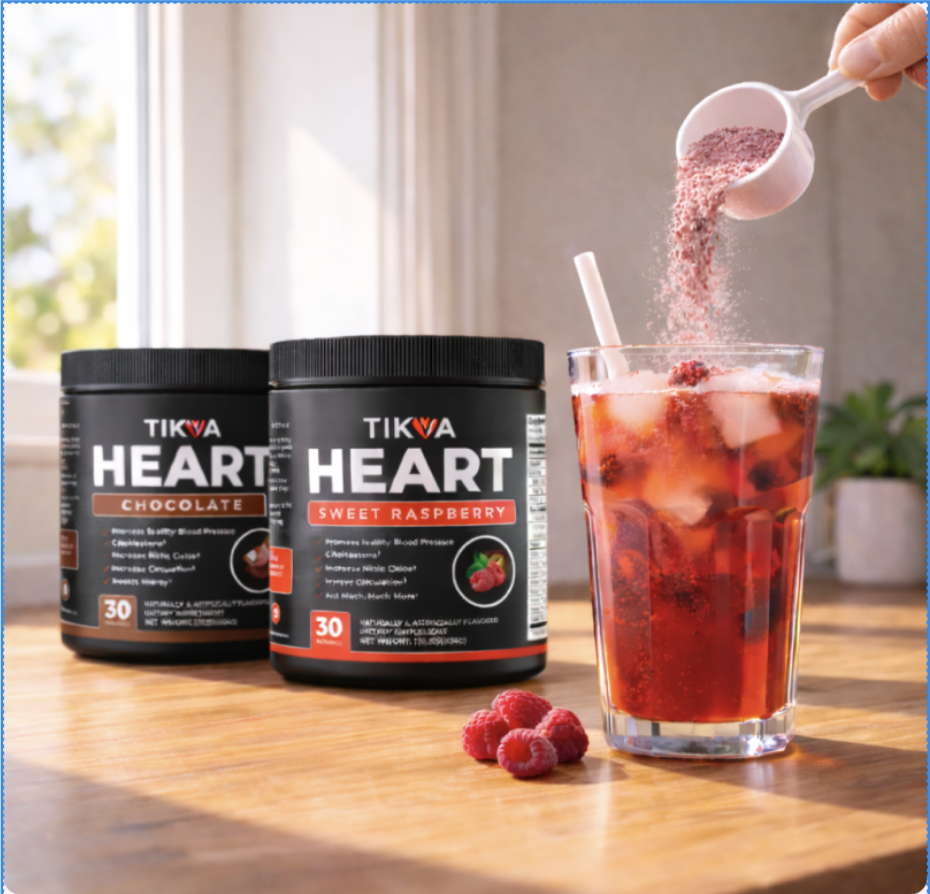
*These statements have not been evaluated by the Food and Drug Administration. This product is not intended to diagnose, treat, cure, or prevent any disease.
Frequently Asked Questions
What actually makes nitric oxide — does it come from food or does your body make it?
Both. Your body produces nitric oxide primarily inside endothelial cells — the cells lining your blood vessels — using an amino acid called L-arginine and an enzyme called eNOS. The second pathway starts with dietary nitrates from foods like beets, spinach, and celery. Bacteria in your mouth convert those nitrates to nitrites, and your body then converts nitrites to nitric oxide. The direct endothelial pathway is the main one, but the dietary pathway can meaningfully supplement it, especially as you age and endothelial function naturally declines.
Why do beetroot supplements specifically get talked about for heart health?
Beets are one of the richest dietary sources of nitrates, which the body can convert to nitric oxide through the pathway described above. Research has found associations between beetroot consumption and improved blood flow and endothelial function. Multiple studies have examined beetroot juice, finding that it supports healthy circulation in research participants. The effect comes from the nitrate content, not anything unique to beets — other high-nitrate foods like spinach, arugula, and celery work the same way. Beetroot just happens to have an exceptionally high concentration.
Can you test your nitric oxide levels, and what does that tell you?
There are saliva test strips available that estimate nitric oxide production by measuring nitrites in saliva. These give a rough indication but are not precise clinical tools. More sophisticated testing measures endothelial function through flow-mediated dilation (FMD) — an ultrasound test that assesses how well your arteries dilate in response to increased blood flow, a process driven largely by nitric oxide. FMD is used in research settings and by some cardiologists but isn’t routine in standard checkups. If you’re concerned about endothelial health, talking to your doctor about advanced cardiovascular screening is the right next step.
Is there a connection between nitric oxide and erectile dysfunction?
Yes — a well-established one. Nitric oxide is the primary signaling molecule that causes blood vessels in erectile tissue to relax and allow the increased blood flow needed for an erection. This is how most ED medications work: they block an enzyme that breaks down nitric oxide’s downstream messenger (cGMP), prolonging its effects. Endothelial dysfunction is strongly associated with erectile dysfunction. Many cardiologists consider new-onset ED in middle-aged men a potential early warning sign of broader cardiovascular endothelial dysfunction — worth taking seriously and discussing with a doctor.
What’s the fastest way to support your body’s nitric oxide production naturally?
Exercise is the fastest and most reliable trigger. Even a single bout of aerobic exercise stimulates endothelial cells to produce nitric oxide, and regular training improves endothelial function over time. On the dietary side, eating nitrate-rich vegetables (beets, spinach, arugula, celery) provides substrate for the nitrate-to-nitrite-to-NO pathway. L-citrulline — an amino acid found in watermelon and available as a supplement — may also support nitric oxide production, as it converts to L-arginine in the kidneys. Antioxidants, particularly vitamin C and polyphenols from fruits and vegetables, help protect nitric oxide from being broken down by free radicals before it can do its job.
Why This Molecule Deserves More Attention
Most cardiovascular health conversations focus on cholesterol numbers and blood pressure readings. Nitric oxide rarely comes up — and that’s a gap worth closing. It’s the molecule that helps your arteries stay relaxed and responsive, protects against platelet clumping, and plays a key role in keeping vessel walls healthy. Its decline with age is real, measurable, and associated with increased cardiovascular risk across multiple large studies.
The encouraging part is that endothelial function responds to lifestyle. Exercise, diet, and avoiding smoking all have meaningful effects on the body’s nitric oxide production. These aren’t vague wellness recommendations — they’re specific interventions with research-backed mechanisms. If you want to understand how nitric oxide connects to arterial health more broadly, our articles on arterial stiffness and atherosclerosis cover the downstream consequences of endothelial dysfunction in depth.
And if you haven’t yet read our overview of the 12 cardiovascular risk factors, that’s the best place to see how nitric oxide and endothelial function fit into the full picture of what drives heart disease — and what protects against it.
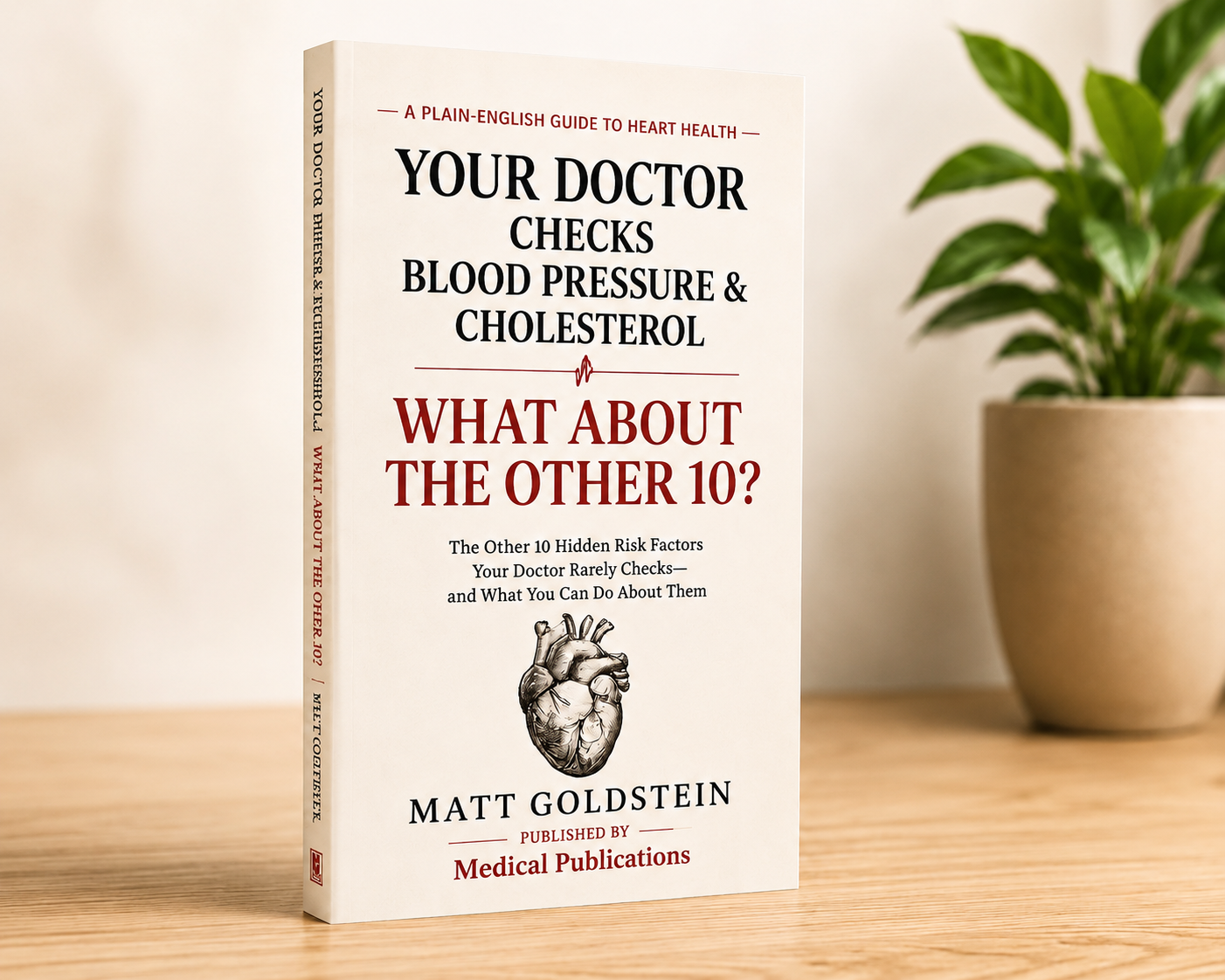
Get Your Free Heart Book
Your Doctor Checks Blood Pressure & Cholesterol: What About the Other 10?
Most heart attacks happen to people whose last checkup came back “fine.” This book covers the 12 risk factors your doctor may not be testing — in plain English, backed by research.
*These statements have not been evaluated by the Food and Drug Administration. This product is not intended to diagnose, treat, cure, or prevent any disease. This article is for educational purposes only and does not constitute medical advice. Always consult your healthcare provider before making changes to your health regimen.
References
- Gokce N, et al. Predictive value of noninvasively determined endothelial dysfunction for long-term cardiovascular events in patients with peripheral vascular disease. Journal of the American College of Cardiology. 2003;41(10):1769-1775. PMID: 15190138
- Yeboah J, et al. Brachial flow-mediated dilation predicts incident cardiovascular events in older adults: the Cardiovascular Health Study. Circulation. 2007;115(18):2390-2397. PMID: 17954834
- Celermajer DS, et al. Cigarette smoking is associated with dose-related and potentially reversible impairment of endothelium-dependent dilation in healthy young adults. Circulation. 1993;88(5 Pt 1):2149-2155. PMID: 10589344
- Lundberg JO, Weitzberg E, Gladwin MT. The nitrate-nitrite-nitric oxide pathway in physiology and therapeutics. Nature Reviews Drug Discovery. 2008;7(2):156-167.
- Ignarro LJ, et al. Nitric oxide as a signaling molecule in the vascular system: an overview. Journal of Cardiovascular Pharmacology. 1999;34(6):879-886.


