

Why Your Triglycerides Are High Even When You Think You’re Eating Healthy
Why Your Triglycerides Are High Even When You Think You’re Eating Healthy

You’ve been eating salads. You cut out red meat. You switched from whole milk to oat milk. And your triglycerides are still elevated. This is a frustrating and common experience — and it often comes down to a fundamental misunderstanding of what actually raises triglycerides.
Most people assume triglycerides are driven by dietary fat. The actual biochemistry tells a different story. For the majority of people with elevated triglycerides, the main driver isn’t fat intake. It’s carbohydrate intake, specifically refined carbohydrates and added sugar.
Understanding this can completely change how you approach the problem — and it can explain why your “healthy” diet isn’t moving the needle on your numbers.
Why Dietary Fat Is Not the Main Driver
Triglycerides are the storage form of fat in the body. When you eat fat, some of it enters the bloodstream as triglycerides temporarily before being stored or used for energy. But this postprandial (after-meal) rise is short-lived. Fasting triglycerides — the number on your blood panel — reflect a different process.
Fasting triglycerides are primarily driven by how much your liver is producing and secreting. And the liver makes triglycerides from excess carbohydrates. When you consume more carbohydrates than your body can use immediately, the liver converts that surplus into triglycerides and sends them into the bloodstream packaged in VLDL particles.
This process is called de novo lipogenesis. It ramps up significantly with high intake of refined carbohydrates, added sugar, fruit juice, and alcohol. It can happen even when dietary fat intake is quite low — which is why people eating “healthy” low-fat diets sometimes have elevated triglycerides.
What Actually Raises Triglycerides
Several specific dietary factors are well-established drivers of elevated triglycerides. Understanding each one can help you find the actual culprit in your diet.
Refined carbohydrates. White bread, white rice, pasta, crackers, and other refined grains cause rapid blood sugar spikes. The excess glucose floods the liver, which responds by manufacturing triglycerides. Even foods marketed as “heart-healthy” — like some cereals and granola bars — can be significant contributors.
Added sugar. Sucrose and high-fructose corn syrup are particularly potent drivers of triglyceride production. Fructose is metabolized almost entirely in the liver, where it’s rapidly converted to fat. Sweetened beverages, fruit drinks, flavored yogurts, and condiments can contribute substantially to daily added sugar intake.
Fruit juice. This surprises many people. Orange juice, apple juice, and other fruit juices are high in fructose and lack the fiber of whole fruit. A glass of OJ has roughly the same sugar impact as a glass of soda. Whole fruit is a much better option.
Alcohol. Alcohol strongly stimulates triglyceride production in the liver. Even moderate alcohol intake can meaningfully raise triglyceride levels in susceptible people. If your triglycerides are elevated, alcohol is one of the first things to reduce or eliminate to see how much it’s contributing.
Practical Steps to Support Healthy Triglyceride Levels
The most effective approach for most people involves reducing the specific carbohydrate and sugar sources driving the problem. You don’t necessarily need to go very low-carb, but the quality and quantity of carbohydrates matters significantly.
Focus on reducing added sugar across all sources: beverages, sauces, packaged foods, and sweetened snacks. Replace refined grains with whole food carbohydrates like legumes, vegetables, and whole intact grains that digest more slowly.
Increase physical activity. Exercise improves insulin sensitivity and helps the body use blood glucose more efficiently, which reduces the amount converted to triglycerides by the liver. Even moderate activity like daily walking has meaningful effects on triglyceride levels over time.
Omega-3 fatty acids from fatty fish have solid research support for supporting healthy triglyceride levels already within normal range. Fatty fish like salmon, mackerel, and sardines two to three times per week is a practical starting point.
For a fuller view of how triglycerides interact with the other cardiovascular risk factors your doctor should be tracking, see the 12 cardiovascular risk factors. And for how to interpret your triglyceride-to-HDL ratio — a calculation that’s already on your bloodwork — see the next article.

Frequently Asked Questions
Can I eat healthy fats if my triglycerides are high?
Generally yes. Research does not support reducing healthy fats as the primary strategy for lowering elevated triglycerides. Olive oil, avocado, nuts, and fatty fish are all associated with favorable metabolic effects. The bigger priority for most people with elevated triglycerides is reducing refined carbohydrates, added sugar, and alcohol.
How long does it take for dietary changes to affect triglyceride levels?
Triglycerides respond to diet relatively quickly compared to some other markers. Many people see meaningful changes within a few weeks of reducing added sugar and refined carbohydrates. More significant changes often take 6-12 weeks to show up clearly on a blood panel. Consistency matters more than any single meal.
What level of triglycerides is concerning?
Fasting triglycerides below 100 mg/dL are considered optimal by most cardiologists. 100-149 is considered near-optimal. 150-199 is borderline high. 200-499 is high, and above 500 carries risk of pancreatitis. The context matters too — especially in relation to your HDL level and other metabolic markers.
Is fruit causing my high triglycerides?
Whole fruit is unlikely to be the primary driver for most people. The fiber in whole fruit slows fructose absorption and has a different metabolic effect than fruit juice or added fructose. That said, people who eat very large amounts of fruit — especially tropical fruits and dried fruit — may want to moderate intake if triglycerides remain elevated despite other changes.
Get Your Free Heart Book
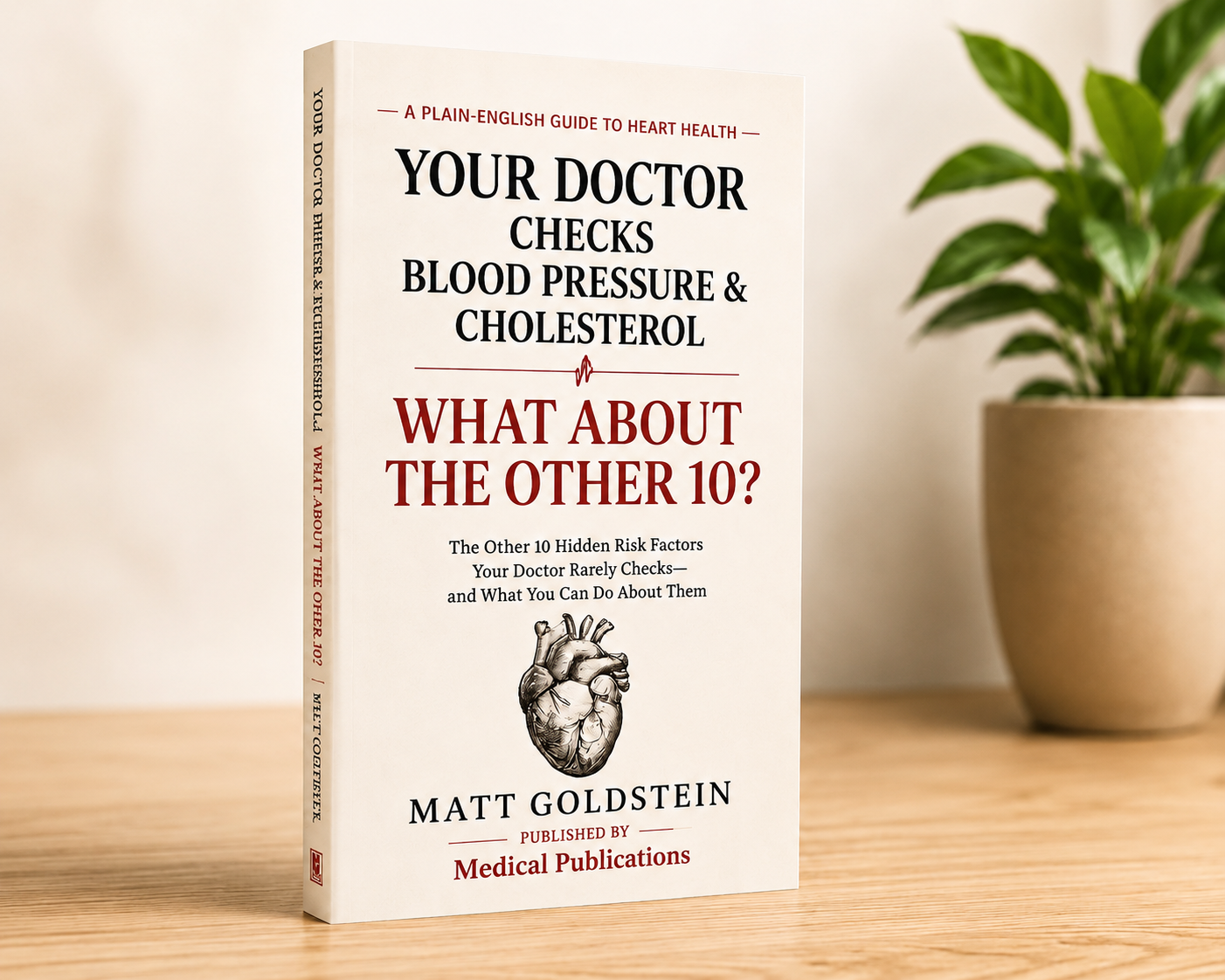
Your Doctor Checks Blood Pressure & Cholesterol: What About the Other 10?
Most heart attacks happen to people whose last checkup came back “fine.” This book covers the 12 risk factors your doctor may not be testing — in plain English, backed by research.
Get the Free Book →* These statements have not been evaluated by the Food and Drug Administration. This product is not intended to diagnose, treat, cure, or prevent any disease.


