Testosterone isn’t just about muscle and libido. Research is increasingly linking low testosterone levels in men to higher rates of cardiovascular risk factors including insulin resistance, visceral fat, and arterial stiffness.
Coronary artery disease is the leading cause of death in the United States. It develops over decades, often with no symptoms. Here’s how it works and what research shows about the factors that influence its progression.
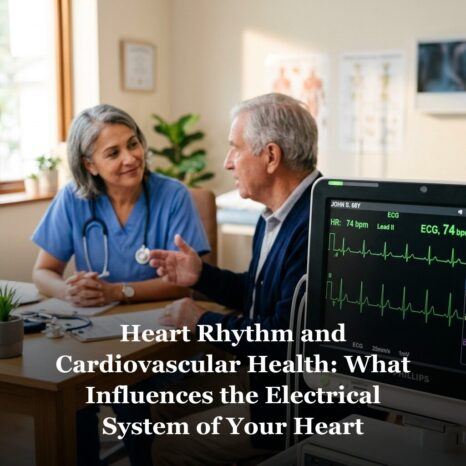
The heart’s electrical system controls every beat. When that signaling becomes irregular, it can range from harmless to serious. Here’s what research shows about the factors that influence heart rhythm.
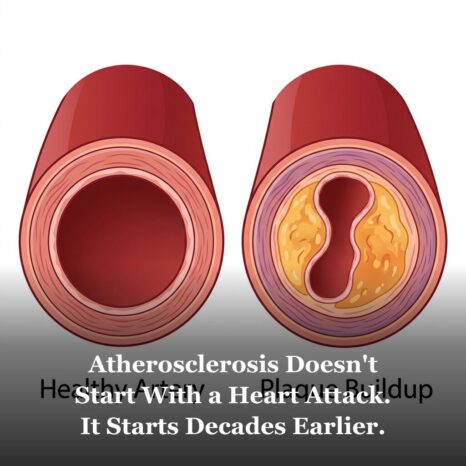
Atherosclerosis is not a simple clogging process. It’s an inflammatory disease that often begins in your 20s and progresses silently for decades before symptoms appear.
Stress triggers a physiological cascade that raises heart rate, blood pressure, and inflammation. When that response never fully turns off, it becomes a cardiovascular risk factor — one that’s often overlooked.
Platelets are essential for stopping bleeding — but when platelet activity runs too high, it becomes a cardiovascular risk factor that most standard checkups don’t address.
High blood sugar damages the cells lining your blood vessels long before a diabetes diagnosis. Research consistently links elevated glucose and insulin resistance with accelerated cardiovascular risk.
Nitric oxide is produced by the cells lining your blood vessels and helps keep them relaxed and flexible. Production drops sharply with age — and most people have never heard of it.
HDL cholesterol is often called the ‘good’ kind, but low HDL may be a more significant cardiovascular risk factor than high LDL in many people. Here’s what the research shows.